EtherCAT SAFE-OP and WKC: a practical investigation checklist
A slave in SAFE-OP or a low working counter is a symptom. Start by locating the first state or datagram that differs from the intended configuration.
Updated November 4, 2026 · PcPart24 engineering notes
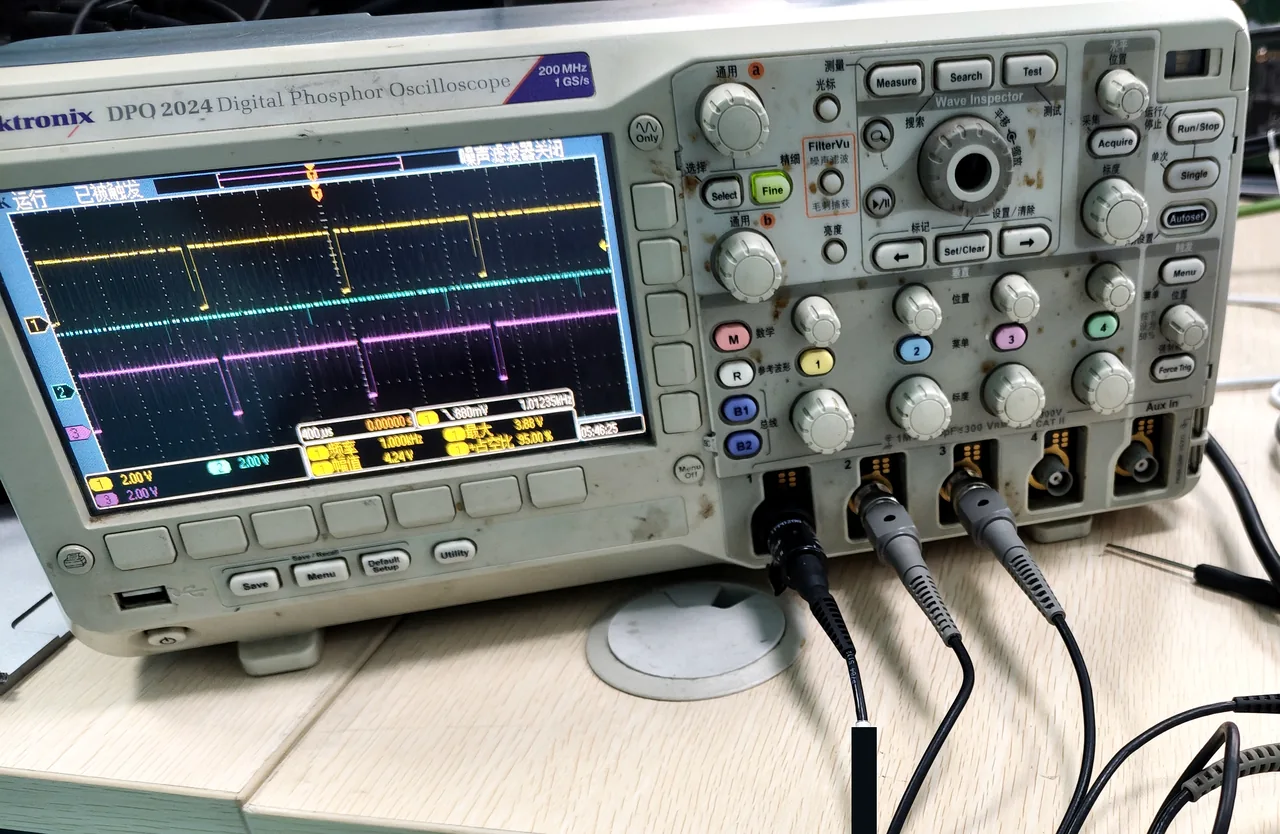
Use a safe test setup and follow the equipment manufacturer’s commissioning procedures. These checks guide investigation; the device documentation determines supported behavior.
1. Preserve the first failure
Record the master stack and version, slave order and identity, requested cycle period, last successful state and the exact AL status code of each affected slave. Preserve a known-good configuration when one exists. A later timeout may hide the original failure.
2. Establish the expected working counter
Use your master configuration and the command types in the actual datagrams to establish the expected WKC. Do not use slave count alone. Different read/write commands and configured process-data regions contribute differently; combined logical read/write behavior matters. Compare expected and actual values for each relevant datagram.
3. Check identity and physical topology
Compare the discovered order, vendor ID, product code and revision with the ENI and ESI used. Inspect link errors, supply conditions and topology changes. A visible slave does not by itself prove that its process-data configuration is correct.
4. Verify the process image
Check Sync Manager configuration, PDO assignments, entry widths, byte offsets and total input/output lengths on both ends. Include optional modules and padding. A change to one module can shift all subsequent offsets.
5. Separate synchronization from mapping
Read AL diagnostics before changing Distributed Clocks settings. Review supported synchronization modes, reference selection, cycle period and shift configuration against the device documentation. A host timer interval or UART log does not establish DC accuracy.
6. Make one controlled change
Save the baseline and change one parameter at a time in a safe test setup. Record whether the same slave, datagram and AL code changed. If a system briefly enters OP then falls back, capture the transition and the preceding events rather than reporting only the final state.
What to prepare for a scoped review
Prepare a non-confidential symptom summary, device and software versions, a slave list, expected/actual WKC, AL codes and a description of the available ESI, ENI, logs or captures. Agree authorization and a transfer method before sending proprietary files.
Need help reviewing your configuration?
Start with the observed behavior and your intended outcome. We can scope an offline review before any development work.
Discuss an EtherCAT reviewAll engineering notes · EtherCAT services
EtherCAT is a registered trademark of Beckhoff Automation GmbH. PcPart24 is an independent service provider.